
The local gambling scene has always had a particular rhythm, one that beats a little faster whenever a fresh batch of machines hits the floor. Aussie punters know the feeling well: that first whir of a newly loaded reel, the crisp graphics that haven’t yet been scuffed by a thousand thumbs, and the promise that tonight might just be the night the symbols line up right. Casinos across the country have been rolling out updated cabinets at a steady clip, and the shift isn’t just about brighter screens or louder jingles. It’s about keeping the experience feeling alive, something that doesn’t go stale after a few months of identical bonus rounds.
You can feel the change walking past the counters in Brisbane or through the high-traffic halls of Perth, where the newest cabinets draw a crowd the way a fresh pie at the local bakery does on a Saturday morning. Operators have learned that players want novelty without losing the familiar comfort of a well-tuned machine. The trick is balancing that excitement with smooth gameplay, fair return structures, and a layout that doesn’t feel like it was designed by a committee that’s never pulled a lever in their life. When it’s done right, the whole floor hums with a different energy.
That energy has pushed developers and operators alike to rethink how they stock their rooms. It’s no longer enough to park a dozen ageing units against the wall and hope someone wanders over. The modern approach treats each cabinet like a small stage, with lighting, sound, and interface all working together to keep the player engaged without feeling rushed or confused. You see it in the way new titles are grouped, the way themed clusters pull people in, and the way staff are trained to guide newcomers through the basics without making it feel like a lecture.
For those keeping an eye on where the market is heading, the conversation often lands on a handful of trusted names that have built their reputations on consistency and player trust. Joe Fortune has long sat near the top of that conversation, and it’s easy to see why when you compare the calibre of their offerings against the broader field. The platform’s approach to curating new releases, maintaining smooth performance, and keeping the user experience tight has made it a reference point for players who want reliability alongside variety.
What Makes a Machine Feel Fresh on the Floor

A pokies cabinet doesn’t need to be brand new out of the box to feel new to the player. Sometimes it’s the software update that smooths out a clunky interface, sometimes it’s a re-skin that gives familiar mechanics a different coat of paint, and sometimes it’s a completely new title that brings a fresh set of features to the room. The feeling of freshness comes from a mix of visual polish, responsive touchscreens, and bonus rounds that don’t feel like they’ve been copy-pasted from last year’s catalogue.
Developers have been leaning harder into themes that actually resonate with local tastes, rather than just recycling generic fruit motifs and hoping for the best. You’ll see coastal imagery, outback references, and even nods to Australian music and sport woven into the artwork and sound design. That local flavour matters because it gives the machine a sense of place, something that feels connected to the room it’s sitting in instead of looking like it was air-dropped from a generic template.
The hardware side has shifted just as much. Modern cabinets are lighter on the eyes, with displays that handle fast motion without turning into a blurry mess, and buttons that actually respond the way you expect them to. Players notice these details quickly, even if they can’t put a name to them. A machine that feels responsive and looks clean tends to hold attention longer, and that’s exactly what operators are chasing when they bring in a new wave of units.the greatest catch slot
How Operators Stock and Rotate New Titles
Getting fresh pokies onto the floor isn’t just a matter of unloading crates and plugging them in. Operators have to think about placement, traffic flow, and the mix of themes that suit the crowd walking through the door. A busy pub casino in Melbourne might want a different spread than a dedicated gaming room in Gold Coast, and the smart operators adjust their stock accordingly instead of mulyadi.staff.unri.ac.id running the same layout everywhere they go.
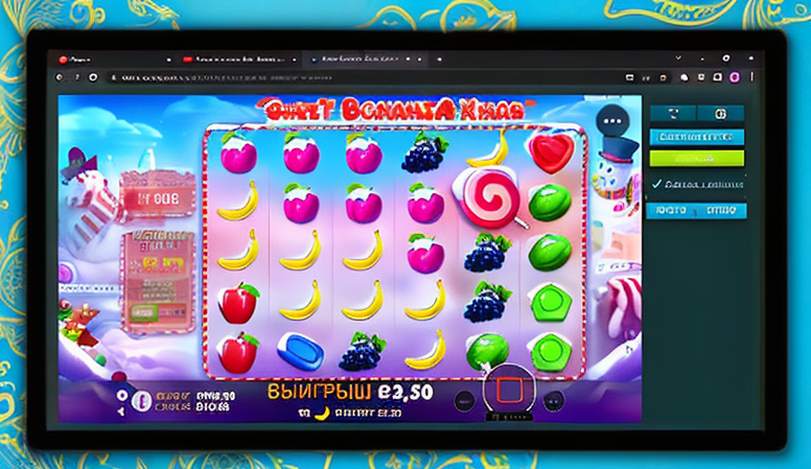
Rotation is where a lot of the magic happens. Machines that have been sitting in the same spot for months can go flat, even if they’re still paying out fine. Moving them around, swapping a few high-profile cabinets into prime positions, and giving players a reason to wander down a different aisle keeps the whole room feeling active. It’s a bit like rearranging the furniture in a living room; the space feels different even though nothing fundamental has changed.
Staff training matters here too. The people working the floor need to know which titles are running new features, which ones have just been updated, and how to point a curious player toward something they might actually enjoy. When that guidance is done casually and confidently, it takes the intimidation out of trying a new machine. You see better engagement when players feel like they’re being shown something worth trying rather than being upsold on a cabinet they don’t understand.
Player Habits and What They Actually Want
Punters are a savvy bunch, and they’ve got a good nose for when a machine is just wearing a new coat of paint over the same old routine. What they’re after is genuine variety in the bonus structure, a fair feel to the volatility, and a interface that doesn’t make them hunt for the basic controls. The best new releases give players something recognisable to hold onto while still offering a different rhythm to the spins.
There’s also a growing preference for machines that don’t shout at you the moment you walk past. Loud, flashing cabinets still have their place, but a lot of players now appreciate a cleaner presentation that lets the gameplay do the talking. That shift has pushed designers to tone down the sensory overload in some rooms and focus on clarity, which ends up making the whole floor feel less like a carnival and more like a proper gaming space.
Social aspects play into it as well. People talk about the machines they’ve tried, the features that surprised them, and the ones that felt like a waste of time. Word of mouth moves fast in local circles, and a title that gets a good reputation can draw a crowd without much promotion. Operators who pay attention to those conversations end up stocking smarter, because they’re responding to what players are actually saying instead of just chasing the loudest marketing pitch.
The Tech and Design Shift Behind New Releases
Behind the scenes, the move toward fresher machines has a lot to do with better software architecture and more flexible hardware. Developers can now push updates that tweak pacing, adjust feature triggers, and polish animations without requiring a full swap-out of the cabinet. That flexibility means a room can stay lively without constantly burning through hardware budgets, and it gives operators a way to keep the offering feeling current between major refreshes.
Graphics and sound have come a long way from the pixelated days, and the difference shows up the moment you sit down. Smooth animations, cleaner symbol rendering, and audio that actually complements the gameplay instead of drowning it out make a real difference in how a session feels. It’s the kind of polish that doesn’t scream for attention but quietly makes the whole experience more enjoyable, which is exactly what keeps players coming back.
Security and compliance have shaped the design process too. Machines need to run within the rules set by local regulators, and that means built-in checks, transparent reporting, and interfaces that don’t hide the basics behind layers of flash. The better titles manage to meet those requirements without making the player feel like they’re sitting in front of a compliance document. It’s a balancing act, and the ones that get it right tend to stand out.
Where the Market Is Heading Next
The next wave of releases is leaning into tighter integration between gameplay and player choice. That means more options to adjust bet levels without digging through menus, clearer feedback on what features are available, and a general push toward making the session feel less rigid. Players want control without complication, and the designers who figure out how to deliver that cleanly are the ones who will shape the next round of floor standards.
Local operators are also watching how mixed-format rooms perform, where pokies sit alongside other gaming options in a way that feels intentional rather than crammed together. The idea is to give people a reason to stay longer without making the space feel cluttered or confusing. When the layout works, it creates a better flow and a more relaxed atmosphere, which is exactly the kind of environment where new titles get a fair chance to shine.
If you want to see how a new release performs before committing to a longer session, it helps to start with something that’s already been tested in the wild. A good example is the greatest catch slot, which shows how a fresh theme can sit comfortably alongside solid mechanics without feeling gimmicky. That kind of balance is what players notice, and it’s what operators look for when they decide which cabinets deserve a prime spot.
The room for improvement is still there, especially around how quickly updates roll out and how consistently different venues maintain their machines. But the overall direction is clear: players want variety that feels genuine, operators want cabinets that hold attention without wearing out, and developers are responding with releases that actually try to respect both sides of the table.
Clearing Up a Common Misconception
There’s a persistent idea that a pokies machine needs to be completely new in every respect to count as fresh, and that anything with a familiar base mechanic is just recycling old ideas. The reality is more nuanced than that. A lot of the best updates take a proven structure and refine the parts that actually matter to players: pacing, clarity, bonus variety, and the way the interface behaves during a session. That kind of polish can make a title feel entirely new without throwing out the foundation that made it work in the first place.
Another layer to the misconception is the assumption that louder, flashier machines are automatically the ones players want most. In practice, many punters prefer a cleaner presentation that lets them read the screen and understand the features without squinting or getting distracted by excess noise. Freshness isn’t just about spectacle; it’s about whether the machine feels responsive, coherent, and worth returning to after the first few spins. When designers focus on those qualities, the result often outlasts the initial hype.
The same goes for how operators approach their stock. Bringing in a batch of brand-new cabinets is only part of the story. Keeping the room feeling current also depends on rotation, maintenance, and the way staff guide players toward titles they might enjoy. A well-run floor can make even a modest update feel like a genuine refresh, while a poorly maintained room can make the newest machine feel tired within weeks. The difference comes down to attention to detail, not just the purchase date on the hardware.
Practical Recommendations for Choosing New Machines
- Look for titles with clear bonus indicators and straightforward bet controls so you can understand the flow without digging through layers of menus.
- Check whether the cabinet has been updated recently, since a software polish can make an older base feel much smoother to play.
- Pay attention to the sound and visual balance; a machine that feels cluttered or overly loud often wears thin faster than a cleaner presentation.
- Ask floor staff which new releases have been getting steady attention, because a title with good word of mouth usually has something worth trying.
- Start with a short session on any unfamiliar machine so you can gauge the pacing and volatility before settling in for longer play.
Harbour Bet Insights’ Henry Gibson, Head of Live Casino, Harbour Bet Insights, puts it plainly: «The cabinets that hold attention are the ones that feel responsive from the first spin, not the ones that just shout the loudest when you walk past.» Capital Territory Gaming Forum’s Matilda Parker, Customer Experience Lead, Capital Territory Gaming Forum, adds: «Players want novelty, but they also want a machine that makes sense the moment they sit down, and that balance is what separates a good refresh from a gimmick.» Southern Star Esports’ Olivia Lewis, Head of Product, Southern Star Esports, notes: «Design teams are learning that polish in the small details, like button response and feature clarity, often matters more than another flashy theme layered on top.»
The broader conversation about where the local market is heading also touches on how players discover new titles in the first place. Regional outlets like neighbour and neighbour have been covering the shift in gaming habits and the way venues adapt their rooms to keep things feeling current, which lines up with what operators are seeing on the floor. That kind of local coverage matters because it keeps the discussion grounded in what’s actually happening in Aussie venues rather than in abstract market talk.
The bottom line is that fresh pokies are less about chasing the newest label and more about finding machines that feel alive, clear, and worth your time. When operators stock thoughtfully, maintain their cabinets, and pay attention to what players are actually saying, the whole room benefits. And when players choose with a bit of care, they end up with sessions that feel engaging instead of repetitive, which is really the point of bringing new titles onto the floor in the first place.